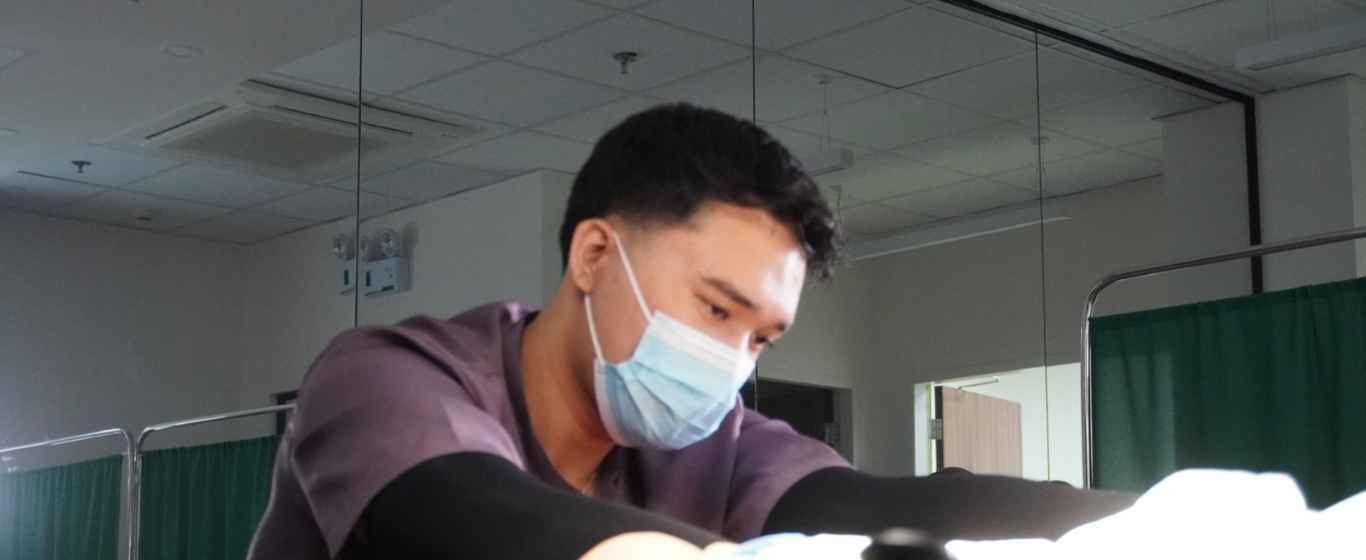
The future of physical therapy involves new technology that helps people move better, feel better, and live fuller lives. For students considering a career in healthcare, it’s an exciting time to join a field that is becoming more innovative, personalized, and connected than ever before.
Today, physical therapy or physiotherapy includes areas like sports physiotherapy, which helps athletes recover from injuries, and a wide range of other specializations. This evolution has always been driven by new scientific discoveries and a commitment to improving patient outcomes.
Current Trends Reshaping Patient Care
Technology has already transformed physical therapy trends, making care more accessible and data-driven. Here are some of the current trends that are already being put into widespread use.
Telehealth and Remote Monitoring
The shift to online communication has made telehealth a common practice. Patients can now have virtual consultations with their therapists from the comfort of their own homes. This is especially helpful for patients who live in remote areas or have difficulty traveling.
For example, a physical therapist can monitor a patient’s range of motion and exercise habits at home, allowing them to adjust the treatment plan without needing an in-person visit. This is especially beneficial in physical therapy for older adults, as it ensures they stick to their recovery plan.
Data-Driven Decisions
Wearable technology and other sensors collect vast amounts of data on a patient’s movement patterns, balance, and activity levels. This physical therapy trend of collecting real-time data provides physical therapists with objective, measurable insights into a patient’s progress.
Instead of just relying on what a patient reports, a therapist can use this information to create more precise and effective treatment plans. This data can even be used to predict the risk of future injuries, allowing for a proactive approach to care.
New and Upcoming Technology in Physical Therapy
The technologies we see today are just some of the innovations that make studying medicine so fascinating. The future of physical therapy is an exciting landscape of immersive and intelligent tools that will push the boundaries of what is possible in rehabilitation, such as:
1. Virtual Reality (VR) Therapy
Virtual reality therapy uses immersive, computer-generated environments to simulate real-life scenarios for rehabilitation. Patients wear a headset to enter a virtual world, making repetitive exercises more engaging and motivating. This trend in physical therapy has shown promising results in treating a range of complex conditions.
For example, VR has been effective in improving executive function, memory, and motor skills in people who have had a stroke. For burn patients, virtual reality can make rehabilitation less painful and more fun, which can increase their range of motion and reduce anxiety about treatment.
While the benefits are clear, some challenges remain, such as the high cost of equipment and a need for more standardized treatment protocols. Despite this, the potential of VR to make therapy more effective and enjoyable is undeniable.
2. Robotics and Exoskeletons
Robotics and exoskeletons are mechanical devices that assist or enhance human movement, enabling a higher intensity and consistency of therapy. These technologies can provide precise, repetitive motions that would be difficult or impossible to replicate manually. Robotic devices, for example, can be used for both upper and lower limb rehabilitation. An exoskeleton can help a person with a spinal cord injury to stand and walk, providing vital support and helping to retrain the nervous system.
While these physical therapy trends can be highly effective, their implementation requires physical therapists to have specialized training to operate the technology safely and effectively. It also involves careful management of patient expectations and clear communication within a multidisciplinary team.
3. Artificial Intelligence (AI)
AI is a collection of technologies, including machine learning, that can analyze data and identify patterns to assist with clinical decisions and treatment recommendations. In rehabilitation, AI can analyze data from sensors and wearable devices to provide personalized, real-time feedback on a patient’s movements. This helps therapists to streamline their processes and improve patient care. For instance, an AI system can analyze a patient’s stance and suggest specific adjustments to correct posture.
4. Augmented Reality (AR)
Augmented reality, meanwhile, overlays digital information onto a person’s real environment, enhancing their perception and interaction. It is showing potential in helping with balance, fall prevention, and improving upper and lower limb function in people with stroke. AR provides a playful and integrated approach to therapy that can improve a patient’s motivation and commitment to their rehabilitation program.
Your Place in the Future of Healthcare
Physical therapy is a dynamic field that is constantly evolving. The integration of new technology in physical therapy expands the profession’s potential to help people in new and more effective ways. For a future healthcare professional, there has never been a better time to be a part of this change.
If you are looking for a profession that combines your passion for science and technology with a desire to help people, a career in physiotherapy is a perfect fit. At Mapúa University, our BS Physical Therapy program is designed to prepare you for this modern, high-tech world of healthcare. We provide a comprehensive education that combines academic excellence with hands-on training, ensuring you are ready to be a leader in the next generation of physical therapy professionals.
Your future as a physical therapist begins here. Visit our website to learn more about the undergraduate programs at Mapúa.