Health Education in Nursing: Why Interdisciplinary Learning Matters
Every patient is unique. Each person has different physiological conditions, mental health concerns, cultural backgrounds, and social realities. Delivering care that truly promotes well-being requires more than clinical skill alone. It demands collaboration, communication, and knowledge that connects multiple fields of study.
This is where health education in nursing becomes essential.
Healthcare today is interconnected. Nurses must understand all facets of it. Interdisciplinary learning ensures that future nurses are prepared to see the full picture of patient care rather than isolated symptoms.
What is Interdisciplinary Learning in Nursing?
Interdisciplinary learning is an approach in nursing education in which students learn to integrate knowledge from multiple disciplines into patient care. Instead of studying healthcare in separate silos, students are trained to understand how medicine, social sciences, behavioral health, research, and technology intersect.
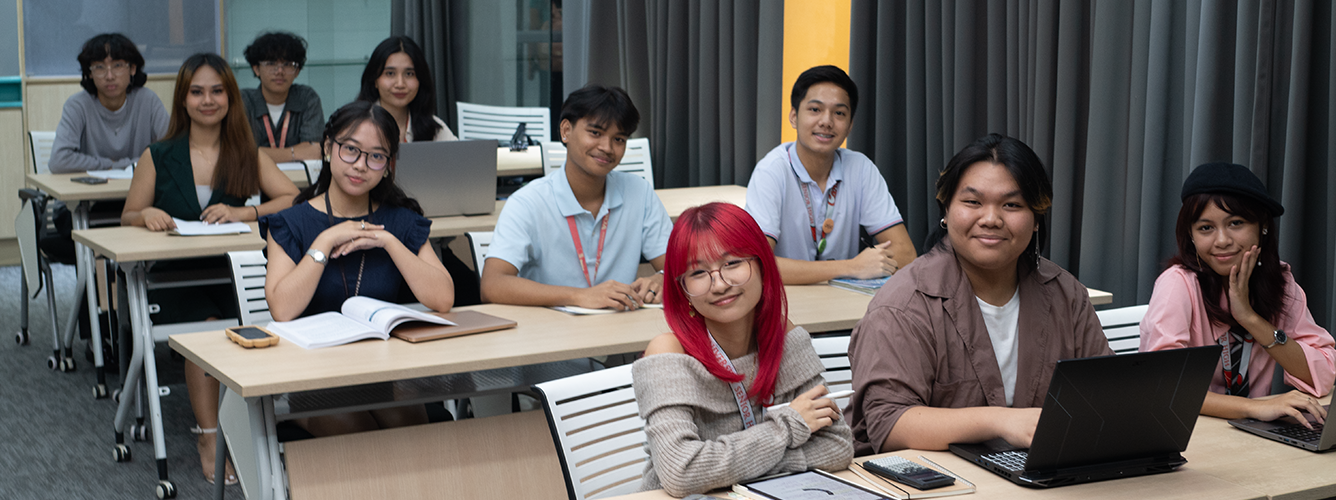
Most schools integrate interdisciplinary learning into their curriculum. Students study anatomy and pharmacology alongside ethics, communication, mental health, and public health systems. They learn how healthcare professionals collaborate within teams that include doctors, therapists, pharmacists, social workers, and health informatics specialists.
Why Nursing Education Should Be Interdisciplinary
Nursing studies prepare students to work within complex systems where teamwork and shared expertise are vital. Here’s why nursing education should be interdisciplinary:
1. Holistic Patient Care
Patients are more than medical diagnoses. They have emotional, psychological, and social needs that influence recovery. Interdisciplinary learning allows nursing students to understand mental health principles, cultural sensitivity, and patient advocacy. This leads to holistic care that addresses the whole person, not just the illness.
2. Improved Collaboration in Healthcare Teams
Modern hospitals operate through teamwork. Nurses collaborate with physicians, pharmacists, nutritionists, and therapists daily. Interdisciplinary training strengthens communication skills and mutual respect among professions. Graduates enter the workforce prepared to contribute effectively within multidisciplinary teams.
3. Stronger Clinical Decision-Making
Students make better clinical decisions when they are equipped with knowledge from different fields. For example, understanding psychology helps nurses manage patients experiencing anxiety or trauma. Knowledge of public health supports disease prevention strategies. This broad perspective enhances critical thinking in complex situations.
4. Adaptability to Technology
The impact of technology in nursing continues to grow. Electronic health records, telehealth platforms, and AI-supported diagnostics require nurses to understand digital systems alongside clinical care. Interdisciplinary learning integrates technology training with healthcare principles, ensuring graduates are confident in navigating digital tools.
5. Preparation for Complex Healthcare Systems
Exposure to interdisciplinary concepts prepares students to understand how healthcare operates beyond the bedside. This is especially relevant in nursing education in the Philippines, where nurses may be exposed to hospitals, rural clinics, and global healthcare institutions.
How Mapúa Integrates Interdisciplinary Learning in Its Nursing Program
Mapúa University recognizes that effective nursing education must reflect real healthcare environments. The institution integrates interdisciplinary learning into its education process in nursing to prepare students for modern practice.
Integrated Academic Foundations Across Discipline
The academic structure blends foundational sciences with behavioral health, ethics, communication, and research courses. Students do not study subjects in isolation. They apply knowledge across contexts through case analyses and simulation exercises.
Technology-Enhanced Collaborative Learning
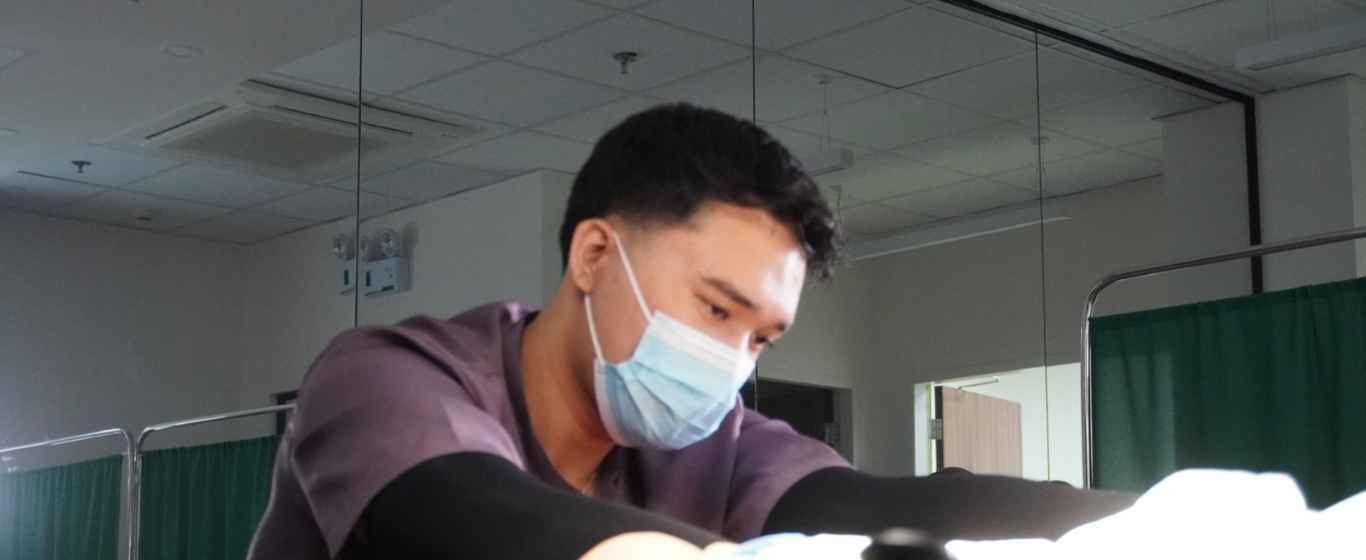
Mapúa incorporates technology-enhanced learning environments to mirror modern healthcare settings. Simulation centers replicate real hospital scenarios in which students collaborate on team-based exercises.
Research and Evidence-Based Practice Training
Research training is embedded in the nursing program to cultivate analytical thinking. Students learn how to evaluate clinical studies, interpret healthcare data, and apply evidence-based practice principles. This prepares them to support quality improvement initiatives and contribute to informed healthcare solutions.
Community and Public Health Exposure
Exposure to community health initiatives allows students to understand the broader healthcare system in the Philippines. They examine how public health systems, environmental factors, and cultural dynamics affect patient care. This experience strengthens their ability to deliver responsive and socially aware healthcare.
Build a Multi-Faceted Nursing Career With Mapúa
Healthcare is interconnected, and so should be education. Interdisciplinary learning strengthens the foundation of health education in nursing, ensuring that graduates are not limited to technical knowledge alone.
Students aspiring to become nurses should choose a program that reflects the realities of modern healthcare. Explore Mapúa’s Bachelor of Science in Nursing program and discover how interdisciplinary learning can prepare you to make a meaningful difference in the lives of patients and communities.