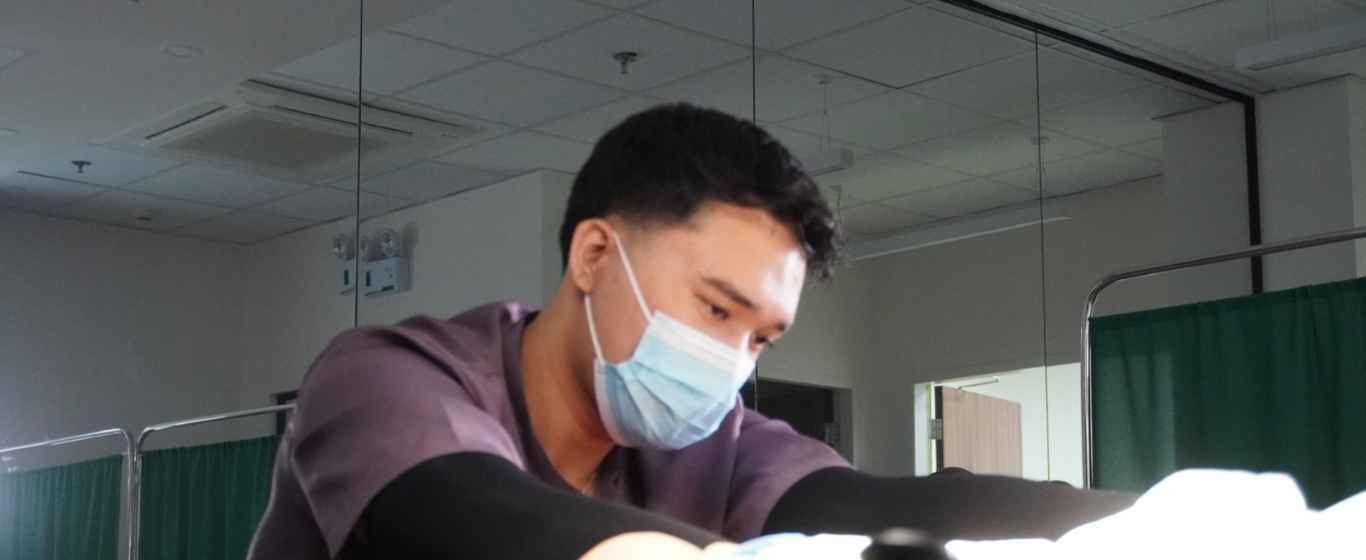
Building the Next Generation of Filipino Doctors
As the Philippines continues to face healthcare challenges, the need for skilled and dedicated medical professionals has never been more pressing. The Doctor of Medicine program at Mapúa University addresses this demand by preparing the next generation of Filipino doctors, equipping them with skills to make meaningful contributions to healthcare in the Philippines and beyond.
The Growing Need for Doctors in the Philippines
The Philippines is currently facing an ongoing shortage of medical professionals. According to the World Health Organization, there are fewer than eight doctors for every 10,000 Filipinos, which is far below the recommended doctor-to-patient ratio. This shortage has been highlighted even more clearly during recent health crises, underscoring the urgency to produce more qualified medical professionals.
What Makes Mapúa’s Doctor of Medicine Program Unique?
Mapúa University’s doctor of medicine course in the Philippines stands out by combining advanced educational methods with international standards. This program is uniquely offered in collaboration with Arizona State University (ASU), bringing global best practices in medical education directly to the Philippines.
Through this collaboration with ASU, Mapúa students experience an innovative curriculum that integrates clinical training, research opportunities, and practical patient care experiences early in their education. This approach prepares graduates to confidently face real-world medical challenges as soon as they finish their studies.
Real-world Clinical Training
One significant advantage of Mapúa’s Doctor of Medicine program is its early and continuous exposure to clinical practice. Unlike traditional medicine courses in the Philippines, where clinical exposure often occurs later in the curriculum, Mapúa incorporates practical experiences from the first year. Students actively participate in community health projects, hospital rotations, and healthcare outreach, developing essential clinical skills and fostering patient rapport from the outset.
This hands-on way of teaching medicine fits right in with what today’s education experts recommend: getting students into clinical settings early and often, so they become skilled and confident doctors (as noted in the Medical Teacher Journal).
Cutting-edge Facilities and Resources
Mapúa ensures comprehensive medical training by offering modern facilities tailored for medical students. These include simulation labs where students can practice real-life scenarios, advanced research centers, and tech-filled digital classrooms that introduce them to the latest medical technologies. Using virtual reality and interactive tools, students can gain hands-on experience with complex procedures, developing practical skills that complement what they learn in the classroom.
Such technologically advanced environments significantly enhance student preparedness and adaptability, essential traits in today’s rapidly changing healthcare landscape.
Global Perspective and Collaboration
Mapúa’s medicine course extends beyond local healthcare by providing students with a global perspective and skills that are applicable anywhere. Through its collaboration with ASU, students have the opportunity to learn from international faculty and stay current with international healthcare trends, research methods, and medical practices.
This international exposure gives Mapúa graduates a competitive edge, enabling them to adapt easily to both local and global healthcare contexts and providing them with wider career opportunities worldwide.
Preparing Future Leaders in Healthcare
Beyond just technical skills, Mapúa’s Doctor of Medicine program helps students develop leadership skills and a strong sense of ethics. It encourages them to be active health advocates who understand not only individual medical needs but also the bigger social factors that affect health.
This well-rounded education shapes future doctors who are not only skilled but also compassionate and community-minded, ready to advocate for fair healthcare policies and make a meaningful difference in public health across the Philippines.
Mapúa emphasizes the development of both clinical skills and a strong sense of social responsibility, ensuring that graduates are equipped to tackle healthcare challenges with compassion and integrity. These qualities play a crucial role in creating a healthier and more equitable society.
Career Prospects and Future Opportunities
Graduates from Mapúa’s Doctor of Medicine course in the Philippines will find numerous opportunities available to them. Given the current nationwide shortage of doctors, employment opportunities are abundant in both the public and private sectors. With the thorough training they receive, Mapúa graduates are well-prepared to take the next step, whether that involves specializing in a particular field or engaging in medical research, thereby opening up even more opportunities for their careers.
Why Choose Mapúa for Your Medical Career?
Choosing Mapúa University for your medical education means investing in a program that aims to create not just skilled doctors but also caring leaders in healthcare. The Mapúa School of Medicine, in collaboration with ASU, ensures graduates are well-prepared to make a real difference in the health of Filipinos. Moreover, the university’s modern facilities, including advanced simulation labs, provide a cutting-edge learning environment that prepares students for the evolving demands of medical practice.
If you’re considering a career in medicine or helping someone make this vital choice, explore Mapúa University’s Doctor of Medicine program today.
Experience a curriculum that blends rigorous academics with hands-on, real-world training, designed to prepare the next generation of healthcare professionals. This program provides a strong foundation for becoming a skilled, globally minded doctor, ready to make a positive impact in your community and beyond.