Why Mapúa is a Top Choice for BS Radiologic Technology in the Philippines


Radiologic technology is now one of the most in-demand health sciences fields around the world. There’s a growing need for medical imaging professionals who are great with technology, patient care, and clinical work. Because of this, picking the right school is a big step for anyone wanting to get into healthcare. Mapúa University now proudly offers the Bachelor of Science in Radiologic Technology, further strengthening its position among leading BS Radiologic Technology schools in the Philippines.
The Rising Importance of BS Radiologic Technology
The field of radiologic technology has rapidly evolved, driven by continuous innovations in medical imaging and healthcare diagnostics. Radiologic technologists do important work. They operate advanced imaging equipment like MRI, CT, ultrasound, and X-ray machines. They also provide vital patient care and make sure safety standards are met in hospitals and clinics.
As healthcare depends more and more on exact diagnostic tools, people who are good with these technologies are becoming incredibly valuable. Radiologic technologists are key to finding diseases early, getting accurate diagnoses, and managing patients efficiently. This really shows just how much this profession contributes to healthcare.
Mapúa University addresses this demand with its new BS Radiologic Technology program, structured under Mapúa School of Health Sciences. This innovative program brings together robust academics, hands-on training, and curricula that meet international standards.
Comprehensive Curriculum and Hands-On Learning
BS Radiologic Technology at Mapúa provides students with a complete learning experience that focuses on both understanding the theory and getting real-world practice in clinical settings. Students dive deep into subjects like anatomy and physiology, radiation physics, radiobiology, and patient care. This builds a strong base that’s crucial for their future jobs.
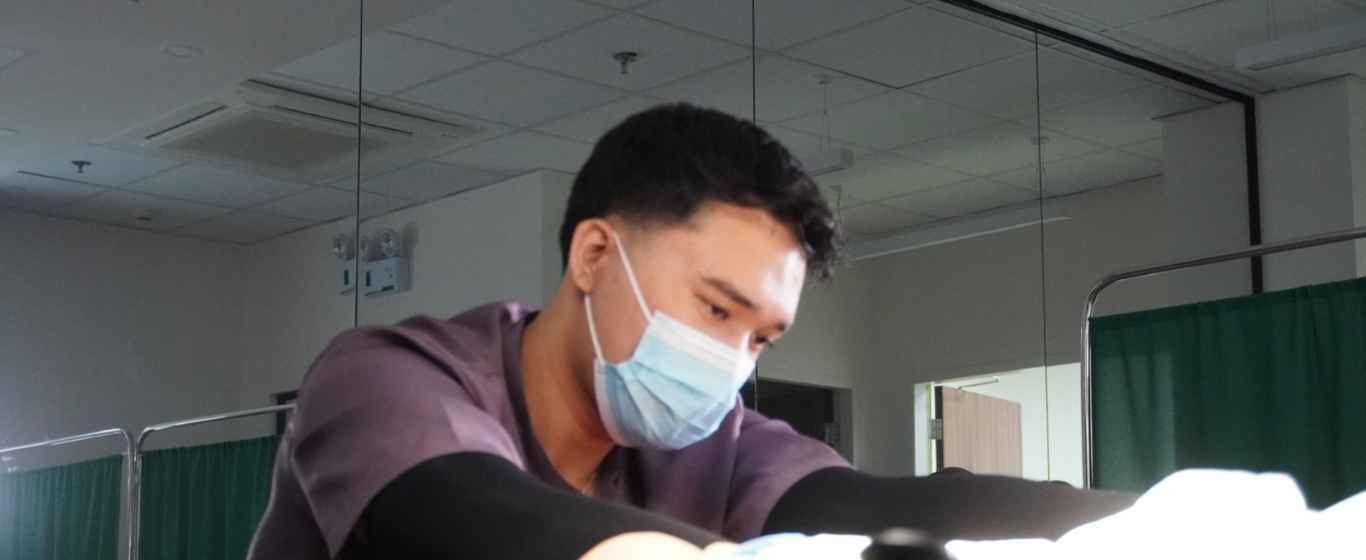
Through intensive core courses, students become skilled at using different imaging machines. They learn how to produce clear diagnostic images while always putting patient safety first. Clinical practicums are integral to the program, allowing students direct hands-on experience within real-world healthcare environments such as hospitals and diagnostic centers. Mapúa’s BS Radiologic Technology curriculum is specifically designed to produce professionals who are confident, skilled, and compassionate.
Collaboration for Global Excellence
What sets Mapúa School of Health Sciences apart from other BS Radiologic Technology schools is its strategic collaboration with Arizona State University®, ranked #1 in the U.S. for innovation for ten consecutive years by U.S. News & World Report.
This collaboration enhances the educational experience by bringing global standards, international insights, and innovative teaching approaches into Mapúa’s BS Radiologic Technology program.
Students take Global Signature Courses, interacting directly with international professors and peers, gaining practical insights in modern, tech-enabled classrooms. This global exposure broadens their academic experience and helps them build valuable professional connections.
The combination of challenging academics, international collaboration, and practical clinical training uniquely prepares Mapúa graduates. It highlights the university’s commitment to advances in health sciences education, ensuring students are ready to meet both local healthcare needs and global professional demands.
Career Opportunities and Industry Outlook
Graduates of the BS Radiologic Technology program have numerous career paths in healthcare. According to the U.S. Bureau of Labor Statistics, employment opportunities for radiologic technologists are projected to grow 6% from 2023 to 2033, driven by increasing healthcare needs and technological advancements. This demand is also reflected in the Philippines, where the Department of Health reports a significant shortage of radiologic technologists, with a gap of approximately 17,000 professionals.
The Philippines, with a population of over 110 million, currently has only about 2,500 practicing radiologists—roughly two per 100,000 Filipinos—indicating that the need for radiological services far exceeds the available manpower. The Professional Regulation Commission (PRC) further highlights the growing local and international demand for radiologic technologists, especially with the rapid development of advanced imaging equipment.
As populations age and healthcare expands, hospitals and clinics increasingly rely on skilled radiologic technologists to perform vital imaging procedures, creating robust job markets and stable employment prospects.
Typical roles for graduates include radiologic technologist positions in hospitals, outpatient centers, and specialized imaging facilities. With further specialization and certification, Mapúa’s graduates can pursue careers in MRI, CT, mammography, radiation therapy, or nuclear medicine.
The BS Radiologic Technology program also lays a strong foundation for those considering further studies or roles in healthcare administration and medical education. Mapúa graduates can use their technical know-how and clinical experience to land important roles, like managing radiology departments, teaching new students, or even shaping healthcare policies and standards for the future.
Join the Next Generation of Healthcare Innovators
Selecting the right radiologic technology program means thinking about educational quality, hands-on experience, and job opportunities after graduation. Mapúa’s BS Radiologic Technology program stands out because it effectively blends thorough academics, practical clinical experiences, and global exposure.
This means students aren’t just ready for a great career here in the Philippines; they’re also prepared to succeed anywhere in the world. Besides technical skills, Mapúa also focuses on crucial abilities like working in teams, acting ethically, and always continuing to learn. This ensures graduates can adjust and do well in the fast-paced healthcare world.
Discover how Mapúa University can propel your future in healthcare by exploring the Mapúa School of Health Sciences and checking out the diverse range of undergraduate programs.
Your future in radiologic technology begins here. Apply today and become part of a tradition of excellence at Mapúa University!