What Do Employers Look for in Employees Beginning Their Careers?
Getting hired today takes more than a diploma. Employers want graduates who can think critically, communicate clearly, and adapt to the fast pace of modern workplaces. While academic knowledge still matters, recruiters also focus on the skills that employers look for when evaluating candidates.
For students and parents thinking about college, this raises an important question. Will a university education truly prepare graduates for the workplace?
Many universities are now strengthening their programs through global partnerships that connect students with international academic standards and modern teaching approaches. At Mapúa University, business, health sciences, nursing, and medicine programs are developed in collaboration with Arizona State University® (ASU), one of the most innovative universities in the United States. These collaborations help students learn in ways that reflect how industries actually operate.
Global academic partnerships demonstrate how universities can extend the advantages of education beyond the classroom, which is helpful for families navigating the Philippine educational system. These programs aim to develop the professional and practical abilities students will need once they graduate.
Understanding these abilities is important because they reflect what employers consistently prioritize when hiring new graduates.
What Do Employers Look For in Employees Starting Their Careers?
While every industry has different technical requirements, most employers tend to prioritize the same core skills.
Communication and Collaboration
Communication skills remain one of the most important skills that employers look for, especially for new graduates entering the workforce.
In the workplace, employees rarely work alone. They participate in meetings, contribute to projects, and coordinate with colleagues from different departments. Strong communication makes these interactions smoother and more productive.
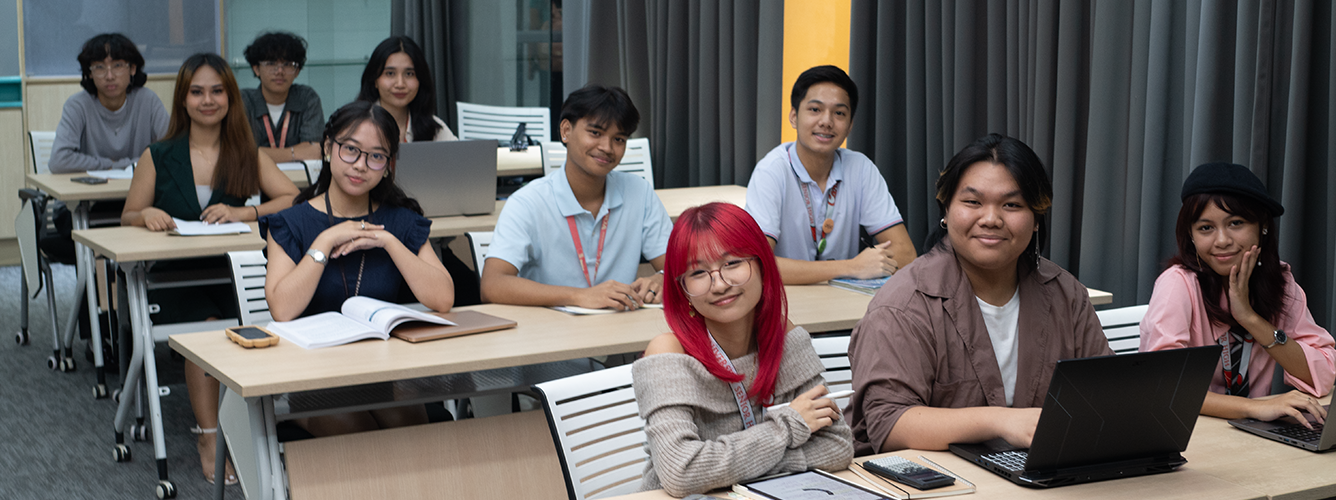
Students who experience collaborative learning environments during college often feel more comfortable working with others. They learn how to present ideas, listen to feedback, and contribute to group discussions.
Problem-Solving and Critical Thinking
Employers value graduates who can think through challenges and develop practical solutions. In many workplaces, problems don’t always have clear instructions. Employees are often expected to assess a situation, identify what’s going wrong, and determine the best way to address it.
This is why problem-solving and critical thinking often come up when discussing what employers look for in employees. Companies want people who can evaluate information carefully, consider different options, and make sound decisions.
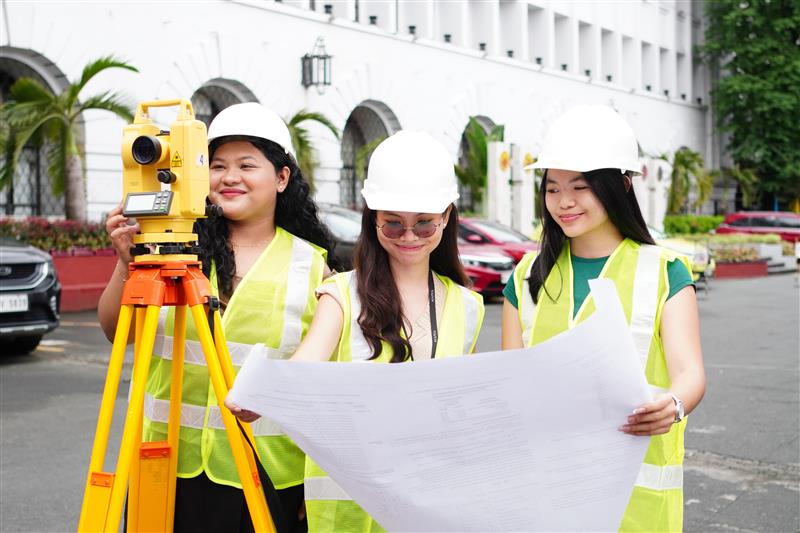
Universities play an important role in developing these abilities. Programs that use project-based learning allow students to work on real or realistic scenarios instead of simply memorizing concepts. Through these experiences, students learn how to analyze problems, apply their knowledge, and propose solutions.
Adaptability and Willingness to Learn
Workplaces today change quickly. New technologies, new tools, and new processes appear regularly. Because of this, employers want employees who can adjust and continue learning.
Graduates who show curiosity and openness to new ideas often succeed in these environments. They’re comfortable learning new systems and improving their skills over time. These traits reflect another group of skills that employers want when building strong teams.
Global Awareness and Cultural Understanding
Modern workplaces often involve collaboration with people from different cultures and countries. Companies work with international partners, serve global markets, and manage diverse teams.
Graduates who understand global perspectives often adapt more easily to these environments. They’re comfortable communicating with people from different backgrounds and approaching challenges from multiple viewpoints.
Educational programs that emphasize global competence in education help students develop this awareness. Exposure to international perspectives allows students to understand how industries operate beyond their local context.
Employers see these skills as a valuable strength. It shows that graduates are ready to work in environments where collaboration crosses borders.
Practical Application of Knowledge
Employers appreciate graduates who can apply what they learned in school to real workplace situations.
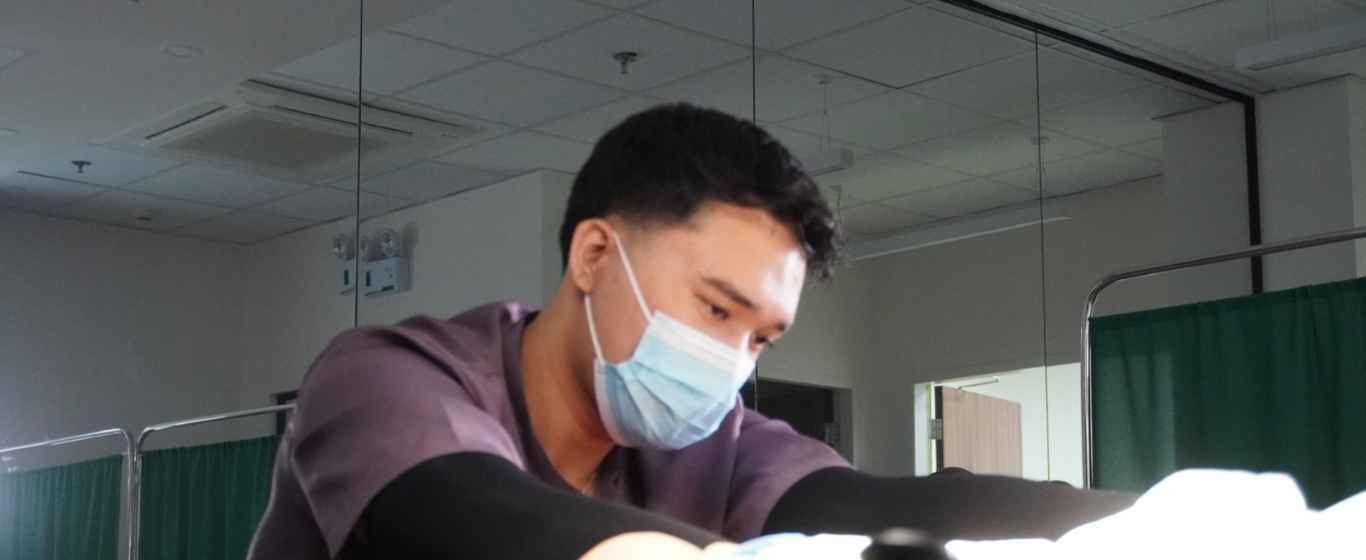
Academic knowledge forms an important foundation, but companies also want employees who can translate theory into action. This includes understanding how to analyze problems, complete tasks efficiently, and contribute to projects.
Let Mapúa Help You Gain the Skills Employees Seek
The value of a university education goes beyond earning a diploma. The goal is to develop the knowledge and abilities that help graduates succeed after graduation.
Employers consistently look for graduates who demonstrate communication skills, problem-solving ability, adaptability, and global awareness. These qualities represent the competencies companies look for in new hires.
Global partner programs help students build these abilities by exposing them to modern teaching approaches, international perspectives, and collaborative learning environments.
At Mapúa University, programs developed in collaboration with ASU® strengthen academic programs and support student success. These programs help students gain not only academic knowledge but also the professional confidence employers value.
If you want an education that prepares you for real opportunities in today’s workforce, check out the undergraduate programs offered at Mapúa University. With the right environment and guidance, students can develop the knowledge, perspectives, and skills companies seek as they begin their professional journeys.