How Studying Sustainability Prepares You for Jobs That Make an Impact


The climate crisis, rising energy demand, and environmental degradation are not just news headlines—they’re urgent, real-world challenges that need bold, science-driven solutions. And at the heart of these solutions is a field designed to create real, lasting change: environmental and energy engineering.
For aspiring professionals who want more than a paycheck—those who want purpose, influence, and a career that matters—studying sustainability can be the key to a future that makes a real impact. It’s about developing the skills to rethink how the world generates power, manages resources, and builds communities. It’s about joining a movement for change.
What is Environmental and Energy Engineering?
Renewable energy engineering is a multidisciplinary field that trains future engineers to develop solutions for energy production, environmental protection, and sustainable development. Students learn how to:
- Design and operate renewable energy systems (solar, wind, hydro, geothermal)
- Improve energy efficiency in buildings, transport, and industry
- Analyze environmental impacts and conduct life-cycle assessments
- Develop smart grids and energy storage technologies
- Implement water and waste management systems
- Study policies and economics related to sustainability
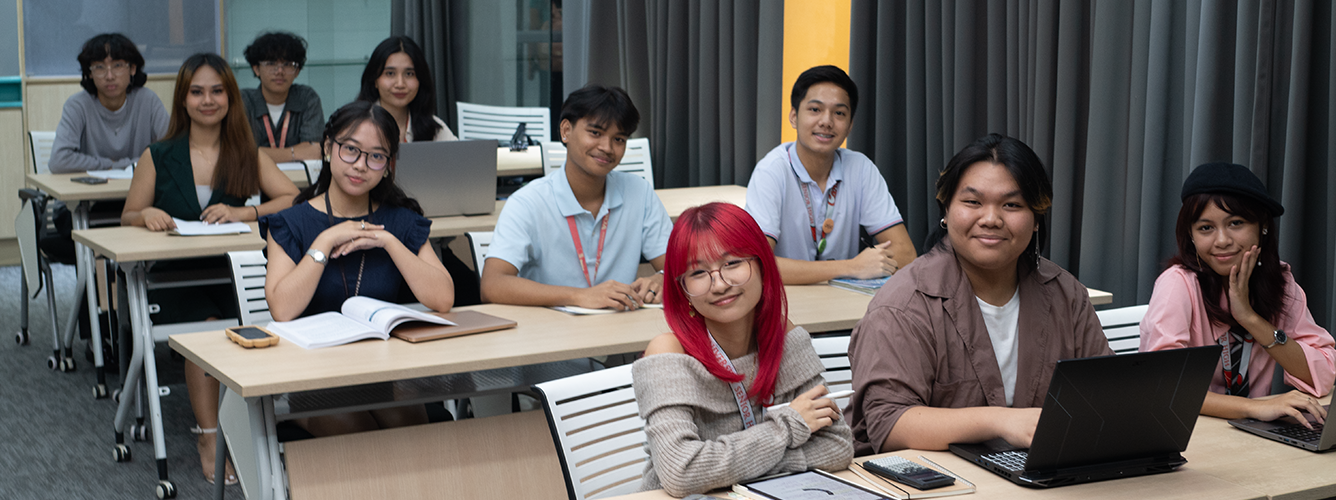
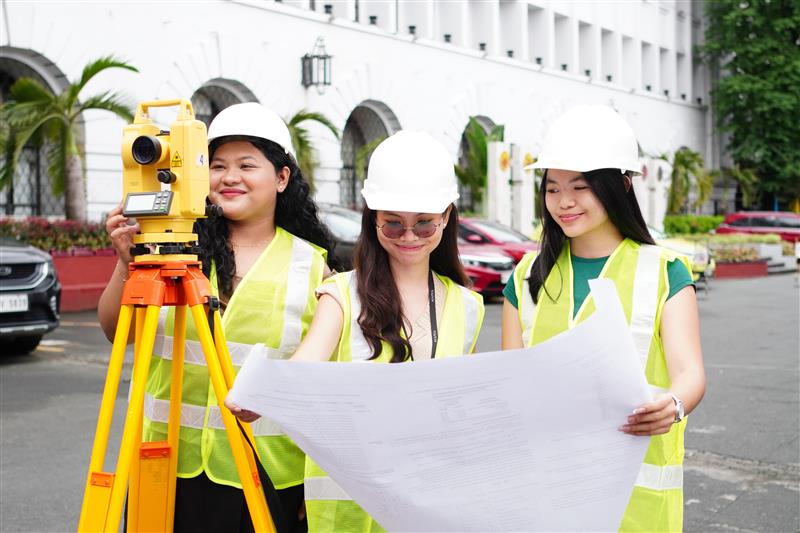
In the Philippines, sustainability-focused courses often incorporate real-world projects, simulations, and hands-on lab experiences to prepare students for the practical demands of the energy and environmental sectors.
This means that students don’t just learn theory. They work on solving real problems with tools and technologies that are currently reshaping how we power the world and protect the planet.
Why Study Renewable Energy Engineering?
Here are six powerful reasons why sustainability courses in the Philippines prepares you for meaningful, in-demand careers:
1. You Become Part of the Solution
Studying environmental and energy engineering puts you at the forefront of the global sustainability movement. You won’t just learn about climate change—you’ll be equipped to fight it. You’ll know how to design renewable energy systems, reduce emissions, and implement technologies that protect the environment.
2. You’re Trained for the Green Economy
The transition to clean energy is accelerating. According to the International Renewable Energy Agency (IRENA), renewable energy jobs are expected to reach 38 million globally by 2030.
In the Philippines, government and private sectors are investing heavily in clean energy infrastructure, sustainable cities, and resilient systems. This means job security and relevance for graduates with sustainability expertise.
3. You Learn Skills That Are in Demand Everywhere
Sustainability isn’t a niche anymore—it’s a core part of engineering in industries ranging from construction and transportation to tech and manufacturing. Skills in energy auditing, environmental analysis, green building, and systems optimization are highly sought-after by employers worldwide.
4. You Gain a Global Perspective
Sustainability is a global issue, and engineers trained in this field can work anywhere in the world. From disaster-resilient energy systems in Southeast Asia to sustainable housing in Europe, environmental and energy engineers are shaping international development.
Studying sustainability gives you the chance to engage in global collaborations and projects with real impact.
5. You Contribute to Long-Term Impact
Many careers solve problems in the short term. But when you work in sustainability, your solutions can last generations. Whether you’re designing a solar power grid or developing a water recycling system, you’re helping build a better, more livable future.
6. You Build Leadership in Innovation
At its core, sustainability is about innovation—finding new ways to meet human needs without harming the planet. Environmental and energy engineers are trained to think creatively, work across disciplines, and lead change. Whether you go into policy, design, research, or entrepreneurship, you’ll bring a sustainability mindset that drives innovation.
The Real-World Career Paths
Graduates of sustainability-focused programs can work in a wide range of impactful roles, including:
- Renewable Energy Engineer
- Environmental Consultant
- Energy Systems Analyst
- Smart Grid Engineer
- Climate Policy Advisor
- Water Resource Engineer
- Sustainability Officer in Corporations
- Urban Infrastructure Designer
- Energy Storage Specialist
- Green Building Consultant
These jobs exist in energy companies, consulting firms, government agencies, international NGOs, and startups that are innovating toward a low-carbon future.
Why Choose Mapúa University for BS Energy Engineering?
Mapúa University is one of the country’s most forward-thinking institutions for aspiring engineers. Its BS Energy Engineering program is designed for students who want to lead the transition to sustainable energy systems.
Here’s what sets its sustainability program apart in the Philippines are:
- Advanced Curriculum: The program combines technical rigor with future-ready skills. You’ll study renewable energy, energy storage, smart grid systems, and environmental impact analysis—preparing you to tackle complex sustainability challenges.
- Hands-On Training: At Mapúa, you won’t just read about sustainable systems—you’ll design and test them. Labs, simulations, and industry projects ensure you graduate with practical, job-ready experience.
- Global Relevance: The university’s international partnerships and research opportunities mean you can engage with the latest global trends and innovations in sustainability.
- Strong Career Pathways: Mapúa’s strong linkages with the energy sector and environmental organizations open doors to internships, job placements, and mentorship from industry experts.
By the end of the program, you’ll emerge as an expert ready to develop and implement sustainable solutions that tackle the most pressing global energy issues, driving the industry forward with new, eco-friendly technologies.
Prepare to Make an Impact with Mapúa University
Studying sustainability through renewable energy engineering is more than just a smart career choice—it’s a commitment to making a difference. It prepares you for a future where your work directly improves lives, communities, and ecosystems.
Whether you dream of designing solar farms, creating smart cities, or leading green policy reforms, the path begins with the right education. With Mapúa University’s BS Energy Engineering, you’ll get the training, support, and inspiration you need to thrive.