

Growing older brings with it a unique set of challenges, from decreased mobility to chronic pain. While some of these changes are a natural part of aging, they don’t have to define a person’s later years. Physical therapy offers a powerful way to manage these challenges, empowering the elderly to maintain their independence, stay active, and live their lives to the fullest. It’s a field dedicated to restoring function and improving well-being, proving that age is simply a number when it comes to living a healthy, active life.
For students considering a future in healthcare, a physiotherapy career offers an incredible opportunity to make a tangible difference in people’s lives. It’s a profession that blends science with compassion, allowing you to create personalized treatment plans that directly impact a patient’s daily routine. Specializing in geriatric care means you’ll be helping an entire generation of Filipinos navigate the physical changes that come with age, from improving their balance to helping them recover from a debilitating injury.
What is Physical Therapy for the Elderly?
Physical therapy for the elderly, also known as geriatric physical therapy, is a specialized area of practice that focuses on the unique needs of older adults. Therapists in this field are trained to address age-related conditions and help seniors regain their mobility, reduce pain, and prevent future health issues. The same principles used in sports physiotherapy can be applied to help a senior regain their independence at home; geriatric physiotherapy is a holistic approach that considers overall health, lifestyle, and goals.
For students who are learning medicine in the Philippines, a curriculum in geriatric physical therapy provides a deep understanding of conditions that are more prevalent in older populations, such as arthritis, osteoporosis, and neurological disorders. It combines theoretical knowledge with practical skills, preparing future therapists to handle older patients.
What Are the Benefits of Physical Therapy for the Elderly?
Physical therapy offers numerous benefits for seniors. The treatments and exercises can significantly improve their quality of life, boosting their confidence and mental well-being.
- Improved Balance and Fall Prevention: Falls are a leading cause of injury among seniors. Physical therapists work on balance, coordination, and strength to reduce the risk of falling. This is a huge benefit that can help seniors maintain their independence and avoid serious, life-altering injuries.
- Pain Management: Chronic pain from conditions like arthritis can limit a senior’s daily activities. Physical therapy uses techniques such as gentle exercises, massage, and heat or cold therapy to manage and reduce pain.
- Restored Mobility: Physical therapists can help seniors who have lost mobility due to a stroke, surgery, or a long period of bed rest. They use a combination of exercises and movement training to help patients regain their ability to walk, climb stairs, and perform daily tasks.
- Increased Independence: By improving strength, balance, and mobility, physical therapy enables the elderly to maintain their independence at home. This can reduce the need for assisted living and greatly enhance their overall sense of freedom and control over their lives.
- Improved Cardiovascular Health: Physical activity, even at a low intensity, is vital for heart health. Physical therapists can create safe exercise programs that help seniors improve their stamina and overall cardiovascular function. This is especially important for those with conditions like hypertension or heart disease.
- Boosted Mental Health: Physical therapy isn’t just for the body. The feeling of regaining strength and mobility can greatly improve a person’s confidence and reduce the feelings of isolation or depression that can come with limited activity. It keeps them engaged and connected to the world around them.
What Conditions Can Physical Therapy Help Seniors With?
Physical therapy can help seniors with a wide range of conditions, both chronic and acute.
- Arthritis: Physical therapists can help manage the pain and stiffness of both osteoarthritis and rheumatoid arthritis. They create exercise programs that maintain joint flexibility and strengthen the muscles supporting the joints.
- Post-Surgery Rehabilitation: After a surgery, such as a hip or knee replacement, physical therapy is essential for a full recovery. Therapists guide patients through a structured rehabilitation program to restore strength and function in the new joint.
- Stroke and Neurological Conditions: Physical therapy plays a critical role in the recovery of stroke patients, especially those who are bedridden. They help with exercises to regain motor control, balance, and coordination. This also applies to other neurological conditions like Parkinson’s disease, where physical therapy can help with mobility issues.
- Chronic Pain: For seniors dealing with chronic pain from back issues, shoulder problems, or other ailments, a physical therapist can find the root cause and provide long-term solutions through targeted exercises and pain management techniques.
- Osteoporosis: Physical therapy can help strengthen bones and improve posture in patients with osteoporosis. It’s a key part of a prevention strategy against fractures.
Types and Examples of Physical Therapy Exercises for Seniors
Physical therapy for seniors is always tailored to their individual needs and capabilities. Exercises can be performed in a clinic, at home, and even for patients who are bedridden.
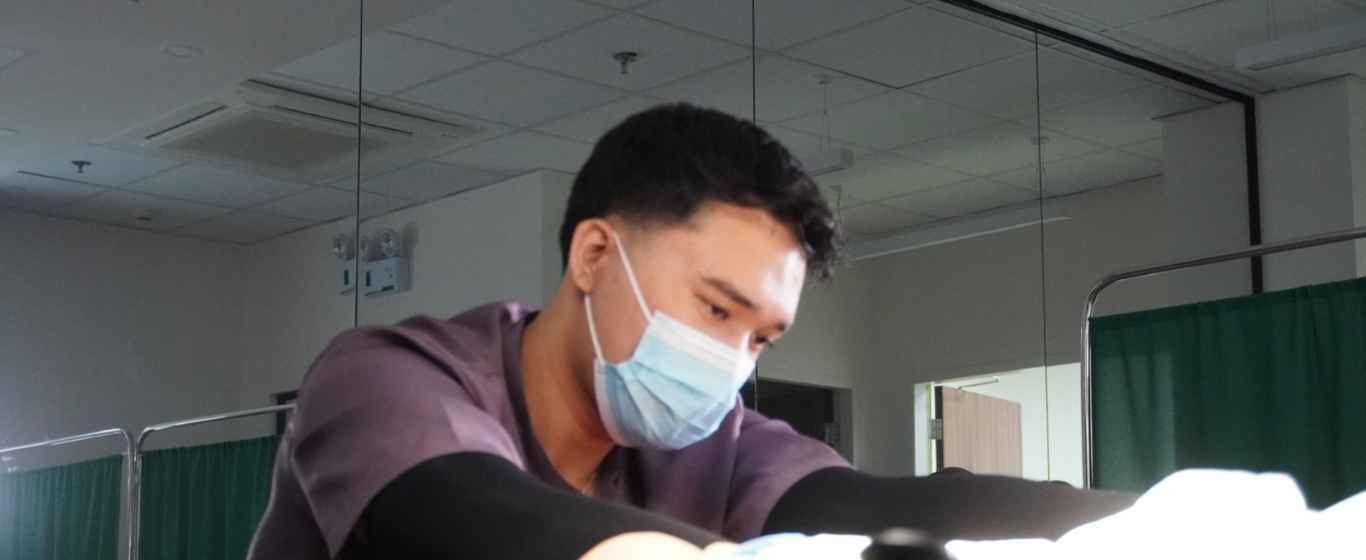
- Bedridden Patients: Even bedridden patients can benefit from physical therapy. Therapists will use passive range-of-motion exercises, where they gently move the patient’s limbs and joints to prevent muscle stiffness and joint contractures. They may also use light massage to improve circulation and prevent bedsores.
- Specialized Rehabilitation: For a senior recovering from a stroke, for example, a therapist might use neuro-rehabilitation techniques to help the brain and body reconnect, focusing on regaining control of specific limbs and improving gait.
For those with chronic conditions like Parkinson’s disease, therapy sessions might include large, rhythmic movements and exercises to help maintain mobility and coordination. These specialized plans are designed to manage symptoms and adapt to a person’s changing needs, helping them maintain their independence for as long as possible.
- At-Home Exercises: For elderly individuals staying at home, physical therapists can design a simple, safe at-home exercise program. These exercises often involve a combination of:
- Balance Exercises: Standing on one leg, heel-to-toe walking, or using a balance board.
Strength Training: Using resistance bands, light weights, or just body weight to build muscle strength in the legs, arms, and core. - Flexibility and Stretching: Gentle stretches to improve range of motion in the neck, shoulders, and hips.
- Balance Exercises: Standing on one leg, heel-to-toe walking, or using a balance board.
The Next Generation of Physical Care Starts with You
Physical therapy for the elderly is a powerful tool for promoting well-being and independence in our aging population. It’s a rewarding physical therapy profession that empowers people to live fuller, more active lives. With a comprehensive education, you can be at the forefront of this change.
At Mapúa University, our program in BS Physical Therapy provides a robust education that combines academic excellence with hands-on clinical training, in collaboration with Arizona State University®. You’ll learn from experts and get the practical experience needed to make a real difference in people’s lives.
Join us and be part of a community that is shaping the future of healthcare.