Healthcare today looks very different from what it did even a decade ago. From electronic health records to telemedicine and AI-assisted diagnostics, modern nursing now operates in a technology-driven environment. The result? Better coordination, faster interventions, and stronger health outcomes.
Nurses are no longer just caregivers at the bedside. They are data interpreters, digital system users, and frontline professionals who bridge clinical expertise with innovation. Understanding the impact of technology in nursing practice helps students and parents appreciate how the profession continues to evolve and why nurses must be prepared for the future.
The Importance of Technology in Nursing
Technology has improved patient care in many ways. These include:
1. Enhanced Patient Safety
Electronic health records reduce medication errors by providing real-time access to patient histories, allergies, and prescriptions. Barcode medication administration systems ensure that the right patient receives the right medication at the correct dosage. These systems allow nurses to double-check information quickly and prevent avoidable mistakes, ultimately improving patient outcomes.
2. Faster and More Accurate Decision-Making
Technology provides nurses with immediate access to laboratory results, imaging reports, and clinical decision-support tools. With readily available, accurate data, nurses can make informed decisions quickly. This is especially critical in emergency situations where time-sensitive actions can save lives.
The impact of technology in nursing practice becomes clear when healthcare teams can respond to changes in a patient’s condition without delays.
3. Better Communication and Coordination
Modern healthcare relies on collaboration. Digital communication platforms enable nurses to coordinate seamlessly with doctors, pharmacists, and specialists. Shared systems reduce misunderstandings and ensure continuity of care. When information flows efficiently across departments, patients receive more consistent treatment.
4. Accessibility Through Telehealth
Telehealth services allow nurses to monitor patients remotely, conduct virtual consultations, and support patients in rural or underserved areas. This expansion of care improves accessibility and reduces hospital congestion.
Nurses trained in telehealth platforms help bridge geographic barriers and provide continuity of care for patients managing chronic illnesses.
5. Continuous Monitoring and Data Tracking
Wearable devices and smart monitoring systems track vital signs in real time. Nurses can observe trends and identify early warning signs before complications arise. This proactive approach allows for preventive care rather than reactive treatment.
Tools Transforming Nursing Practice
Below are examples of how technology in nursing is shaping daily practice.
Electronic Health Records (EHRs)
EHR systems centralize patient information, making it accessible to authorized healthcare providers. Nurses must be skilled in digital documentation, data entry accuracy, and privacy compliance. Proficiency with EHR platforms ensures safe, coordinated patient care.
Clinical Decision Support Systems
These systems analyze patient data and provide recommendations in line with evidence-based guidelines. Nurses must interpret digital prompts and combine them with clinical judgment. This requires critical thinking and analytical skills.
Smart IV Pumps and Automated Medication Systems
Modern infusion pumps precisely regulate medication flow. Nurses need technical training to program and monitor these devices accurately. Understanding system alerts and troubleshooting errors are essential competencies.
Telehealth Platforms
Virtual care requires nurses to communicate clearly via digital channels while assessing patients remotely. This demands strong verbal communication skills, technological adaptability, and digital professionalism.
Artificial Intelligence and Predictive Analytics
AI tools help identify high-risk patients and predict potential complications. Nurses must understand how to interpret AI-generated data while maintaining patient-centered care.
Preparing Future Nurses for a Digital Healthcare Environment
As modern nursing continues to advance, educational institutions must ensure students develop the technical competencies required in present healthcare settings. Mapúa University’s nursing program integrates digital literacy, simulation-based learning, and evidence-driven practice into its curriculum.
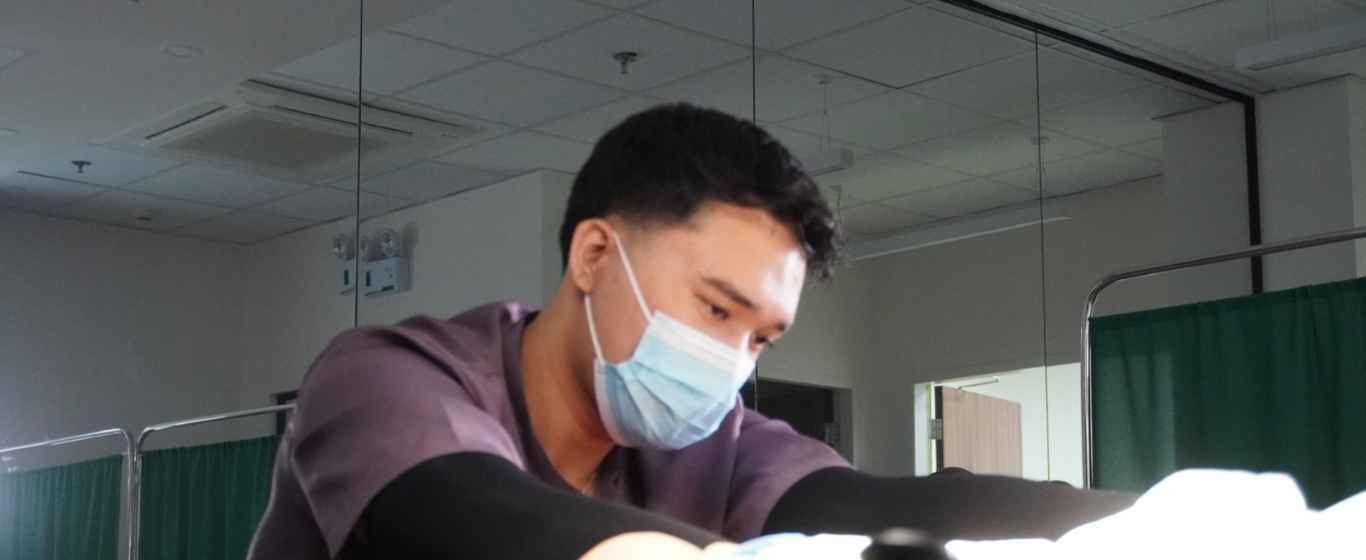
In collaboration with Arizona State University®, Mapúa students are trained in advanced simulation laboratories that replicate real hospital scenarios. These immersive experiences help future nurses practice clinical skills while using digital tools and monitoring systems. Exposure to technology during training ensures that graduates are confident in navigating electronic records, telehealth platforms, and modern medical devices.
Mapúa also emphasizes analytical thinking and research-informed practice. By understanding both patient-centered care and digital systems, students become adaptable professionals ready to contribute to healthcare teams.
Bridging Compassion and Innovation With Mapúa Nursing
Healthcare is now redefined by innovation, connectivity, and data. The impact of technology in nursing is transforming how nurses assess, treat, and support patients every day.
At Mapúa University, we train nursing students to become both empathetic caregivers and confident users of healthcare technology. Students are taught to interpret data thoughtfully, communicate clearly with patients and healthcare teams, and make ethical decisions in complex situations. The program develops future nurses who understand that compassion remains at the heart of patient care, even in highly digital hospital environments.
Explore Mapúa nursing and discover how you can become part of the next generation of tech-savvy nurses who are revolutionizing patient care.