As the world continues to get back to its bearings post-pandemic, professions in healthcare are in high demand due to the growing healthcare sector, the aging population, and overall globalization. Healthcare careers have taken center stage in conversations about stability, purpose, and future-readiness. For students and families considering their college path, health sciences offer some of the most in-demand and impactful professions in 2025 and beyond.
These fields, together with the latest advances in health sciences education, offer diverse opportunities for growth and specialization. Whether your interest lies in clinical care, research, or public health, these careers in healthcare open doors to meaningful work that addresses real-world issues and helps improve lives.
Let’s explore the top healthcare careers to consider this year.
What’s Driving the Growth in Healthcare Careers?
The demand for healthcare professionals has been steadily growing, and 2025 is set to see even higher numbers. According to the World Health Organization, the world could face a shortage of 10 million health workers by 2030, especially in low- and middle-income countries. This shortage underscores the urgent need for professionals in biology, pharmacy, and physical therapy—each of which plays a vital role in the healthcare ecosystem.
In the Philippines, former Department of Health Secretary Teodoro Herbosa said that the country needs over 190,000 healthcare workers to fill the gap in our healthcare system. Aging populations, lifestyle diseases, and increased access to healthcare are all contributing to this rise in demand.
In-Demand Healthcare Careers
Biology
A BS Biology degree serves as a foundation for many healthcare and research-related fields. In the Philippines, it is commonly pursued by students planning to go into medicine, research, biotechnology, or public health. It explores living organisms, from cells to ecosystems, and equips students with scientific thinking and laboratory skills.
Biology graduates often work in research institutions, diagnostic laboratories, pharmaceutical companies, and government health agencies. Common roles include:
- Medical Doctor
- Research Scientist
- Laboratory Technician
- Public Health Officer
- Environmental Biologist
- Biotech Specialist
- Science Educator or College Instructor
- Clinical Research Associate (CRA)
- Toxicologist
Why are these healthcare careers in demand?
The Philippines continues to invest in public health research and disease prevention, particularly in response to infectious diseases like dengue, tuberculosis, and COVID-19. Government health initiatives and partnerships with global health agencies have increased demand for laboratory workers and life sciences researchers. Additionally, biology is a key prerequisite for careers in medicine and health sciences, making it a solid starting point for students seeking long-term careers in healthcare. Local universities and hospitals are also expanding their research programs, needing more trained professionals in biological sciences.
Pharmacy
Pharmacy is a healthcare profession that focuses on the preparation, dispensing, and appropriate use of medication. A BS Pharmacy program in the Philippines equips students with knowledge in pharmacology, chemistry, and patient care. Pharmacists play a vital role in the healthcare system by ensuring drug safety and efficacy.
BS Pharmacy graduates can explore the following careers after graduation:
- Community Pharmacist
- Hospital Pharmacist
- Clinical Pharmacist
- Industrial Pharmacist
- Regulatory Affairs Specialist
- Research and Development Scientist
- Academician or Pharmacy Instructor
- Medical or Pharmaceutical Sales Representative
- Toxicologist
- Drug Inspector
- Public Health Pharmacist
- Compounding Pharmacist
- Clinical Trials Associate
Why are these careers in demand?
Statista reports that the Philippines had 5,731 registered pharmacists in 2022. While that number has generally increased since 2016, we are still facing a significant shortage of pharmacists, according to the Private Sector Advisory Council (PSAC). Factors such as the growing Filipino population, expanded access to health services under the Universal Health Care Law, and the emergence of more community-based healthcare centers and digital pharmacies all contribute to the increasing demand for pharmacists.
Physical Therapy
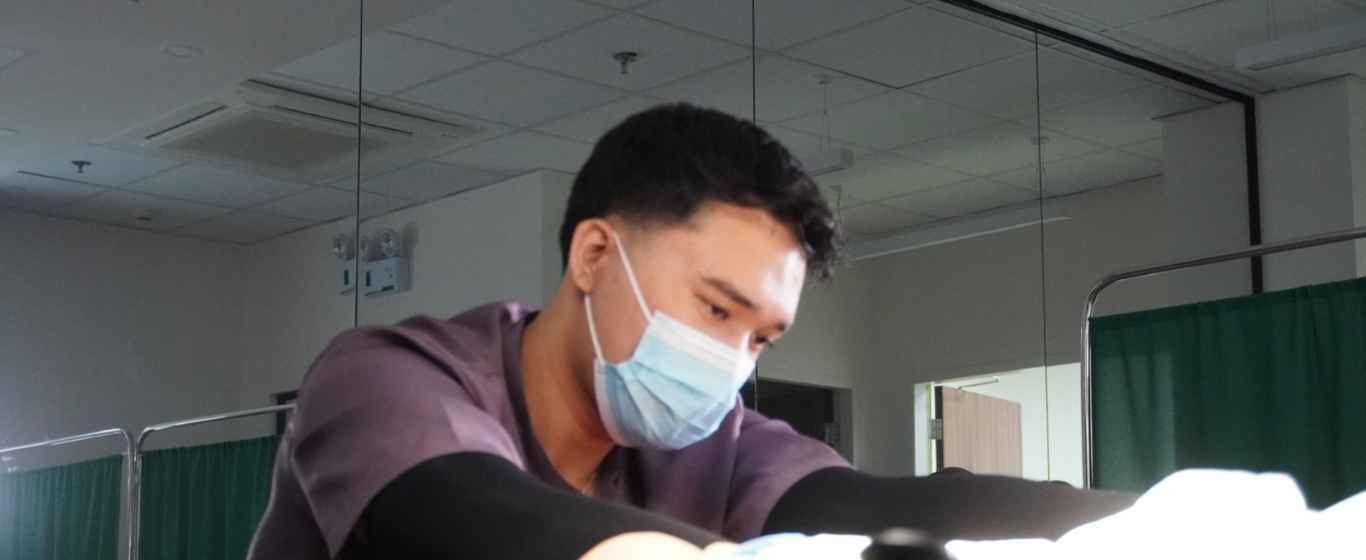
Physical Therapy (PT) is a health profession focused on restoring movement and physical function following illness, injury, or disability. A BS Physical Therapy degree program in the Philippines provides training in anatomy, kinesiology, therapeutic exercises, and rehabilitation sciences. A physical therapist is tasked with creating treatment plans for patients recovering from injuries or surgeries, guiding mobility exercises and manual therapy, and collaborating with physicians and occupational therapists.
Here are possible careers for BS Physical Therapy graduates:
- Licensed Physical Therapist (PT)
- Pediatric Physical Therapist
- Geriatric Physical Therapist
- Orthopedic Physical Therapist
- Neurologic Physical Therapist
- Sports Physical Therapist
- Rehabilitation Specialist
- Academic Instructor or Clinical Educator
- Home Health PT
- Entrepreneur/Wellness Clinic Owner
- Telehealth PT Provider
Why are these careers in demand?
Passing the Philippine licensure exam is required to practice as a licensed physical therapist locally. The demand for physical therapy services is projected to increase significantly in the coming years. This is driven by a growing aging population, increased awareness of the benefits of physical therapy, and a rise in chronic diseases—all of which might require rehabilitation. Moreover, many Filipino PT graduates find employment opportunities abroad, especially in the U.S., Canada, and the Middle East. For instance, the U.S. Bureau of Labor Statistics projects a 14% growth in physical therapist employment between 2023 and 2033.
The Role of Education: Preparing for the Future
Healthcare is a specialized field that requires quality training, access to the latest scientific tools, and a deep understanding of both theory and practical application. At Mapúa University, students can explore several options through the School of Health Sciences, in collaboration with Arizona State University®. This collaboration provides students with world-class education that blends international standards with local relevance, preparing them for future employment in the healthcare industry.
Pathways Beyond the Undergraduate Level
For those aspiring to deepen their impact or specialize further, the School of Medicine at Mapúa provides a seamless transition from undergraduate to medical studies. This makes the university an ideal starting point for students interested in becoming doctors, researchers, or specialists in allied health professions.